24 hr
Colca Canyon Adventure with Puno Transfer
Journey through Peru's dramatic canyon, witness condors soaring overhead, and end in lakeside Puno
Reserve
Cross the altiplano from condor cliffs to lake shores, geology and villages between.
Hand-picked by our editors — only the best 6 overland experiences from 19 reviewed.
Verified partners for Colca Canyon to Puno tours, free cancellation where available, and instant confirmation on every booking.
24 hr
Journey through Peru's dramatic canyon, witness condors soaring overhead, and end in lakeside Puno
Reserve
48 hr
Journey through one of Earth's deepest gorges with condor watching and highland scenery en route to Lake Titicaca
Reserve
48 hr
Journey through Peru's dramatic Colca Valley, spot condors soaring overhead, and end in Puno
ReservePrices from verified partners. Availability updates in real time at checkout. Free cancellation policies apply where shown.
The landmarks, rooms, and views travelers on Colca Canyon to Puno tours remember — all visible on a single visit.
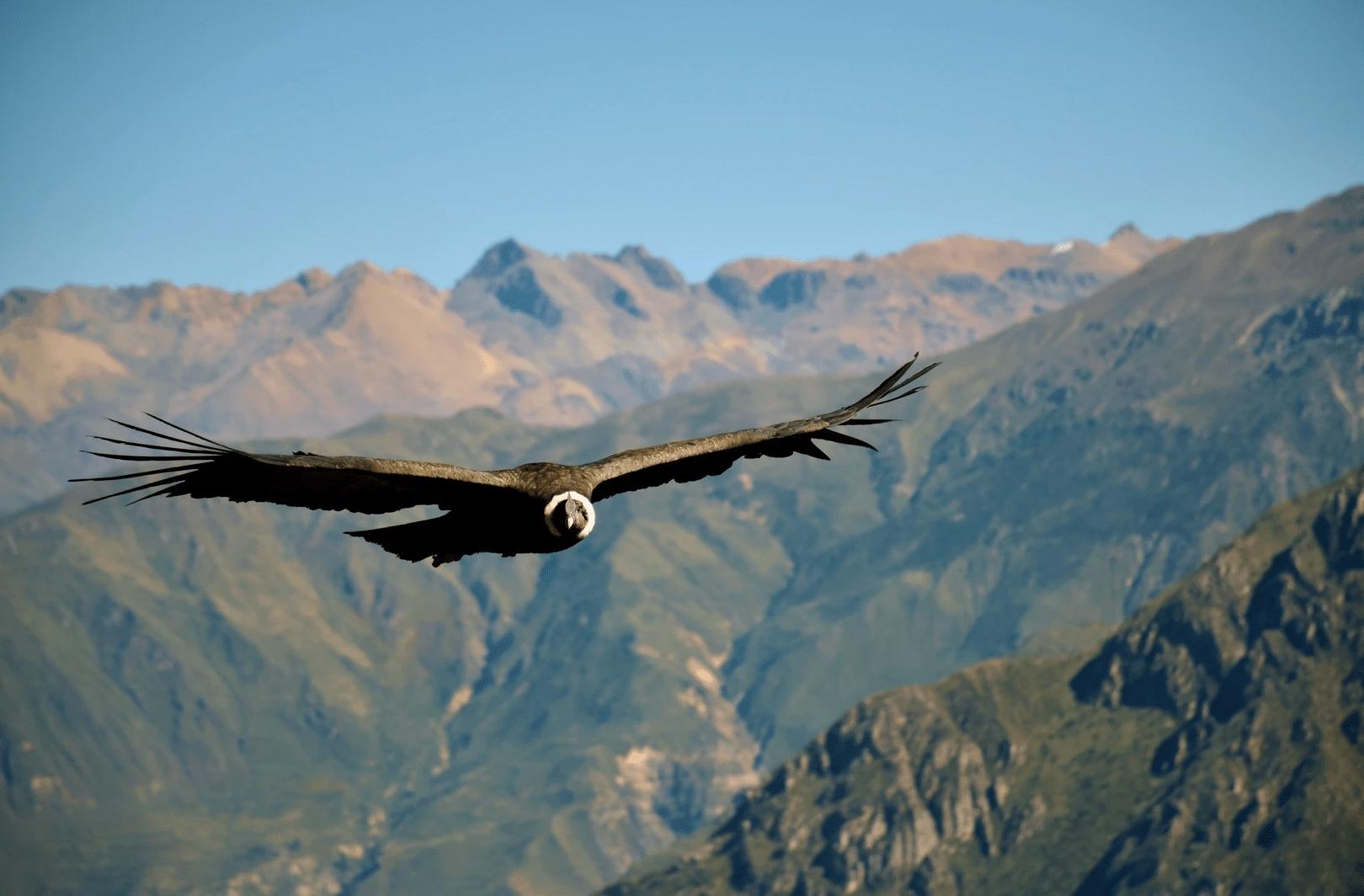
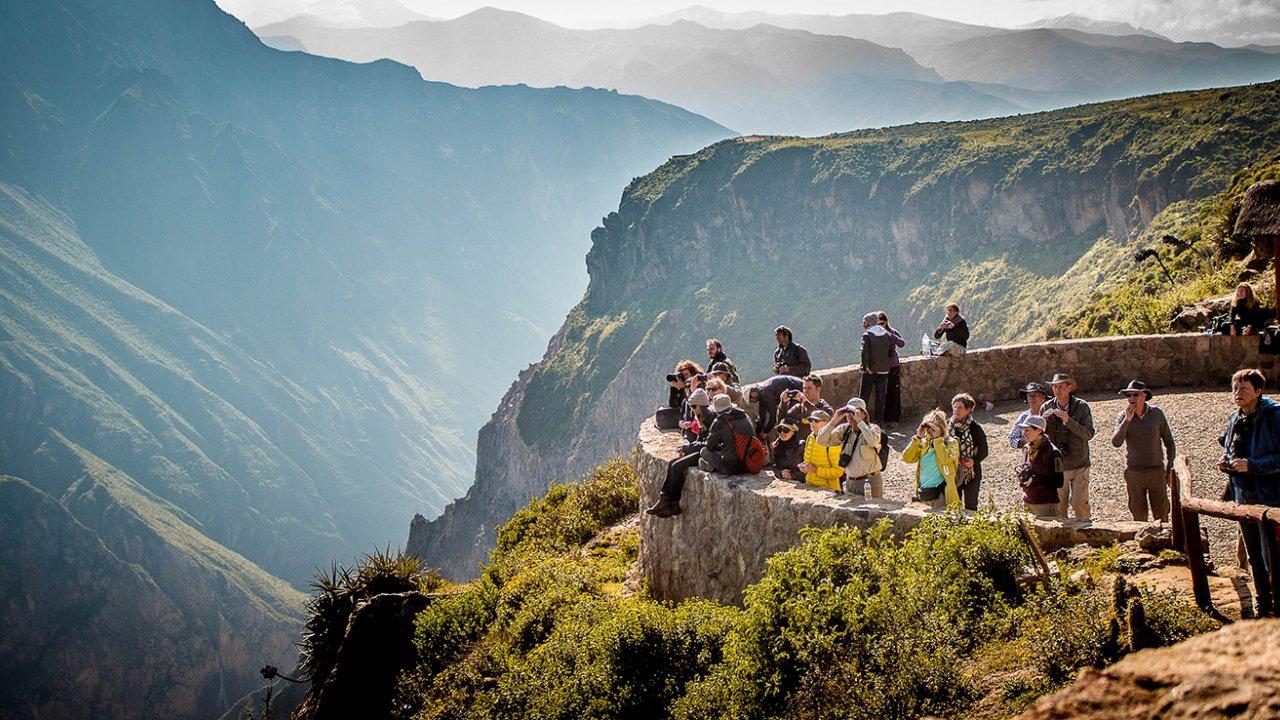
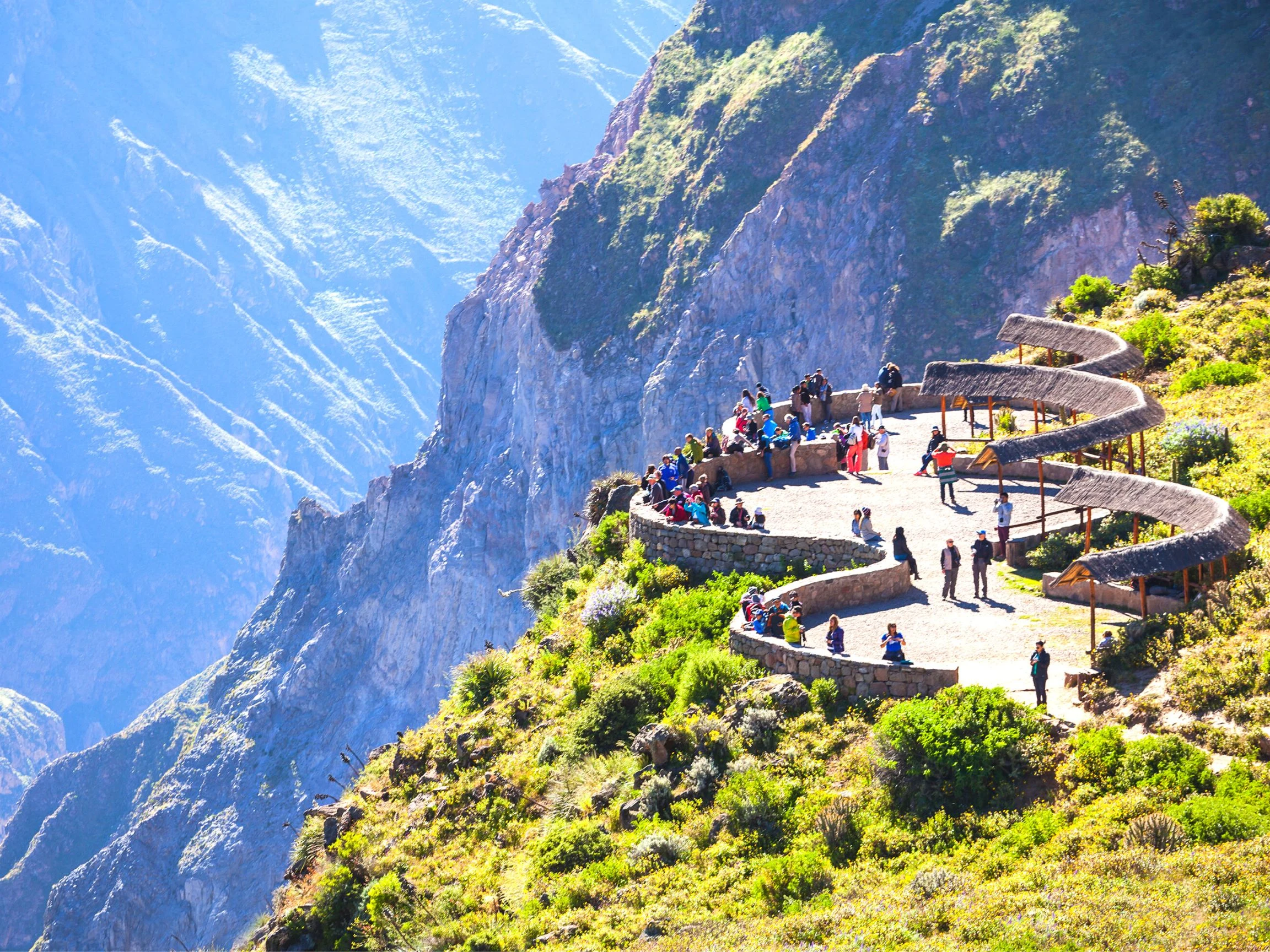
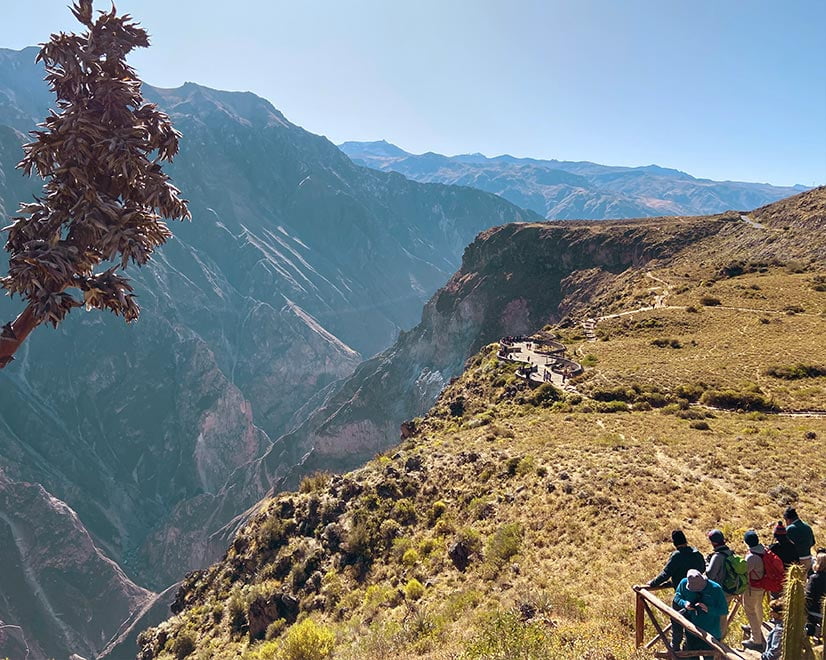
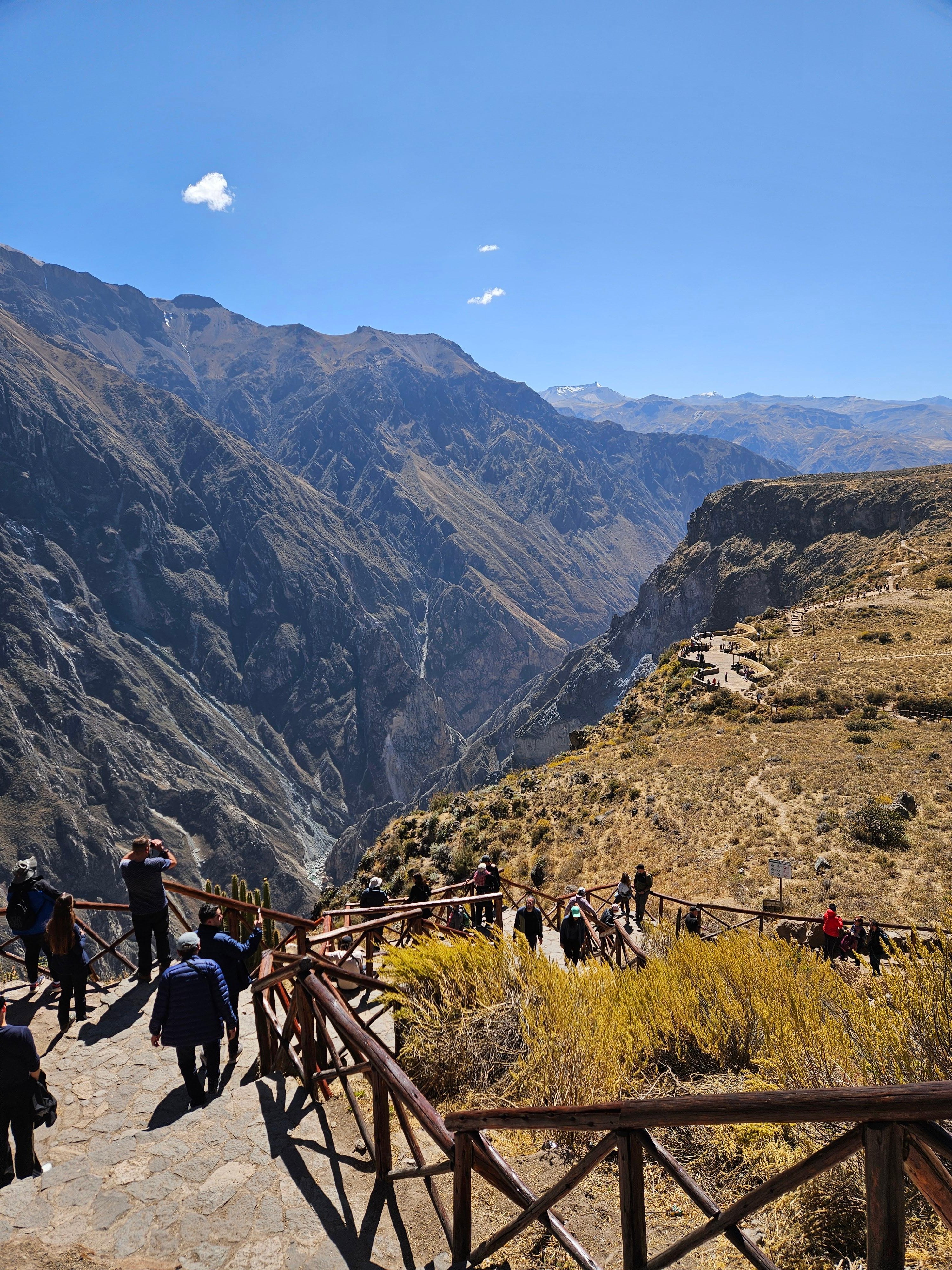
The most famous viewpoint for watching Andean condors catch thermal updrafts early in the day.
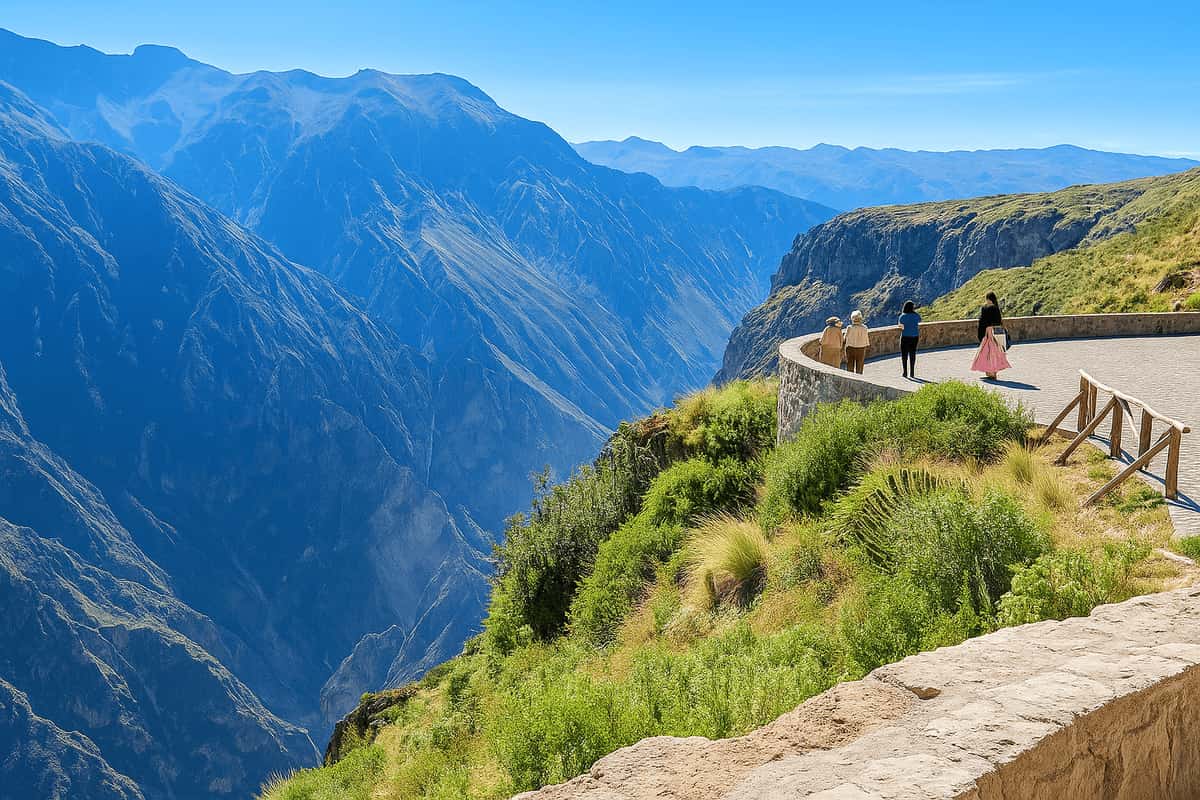
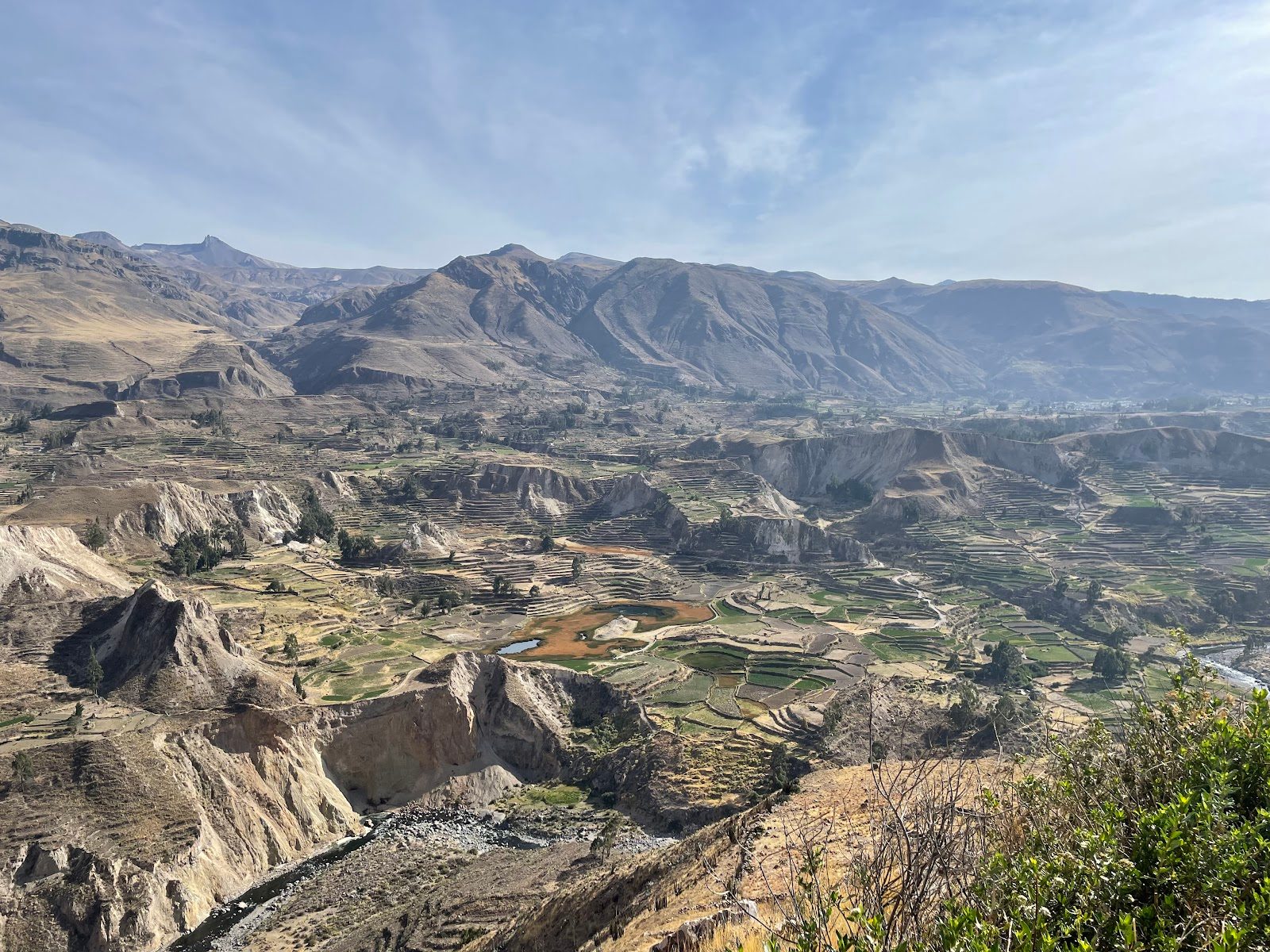
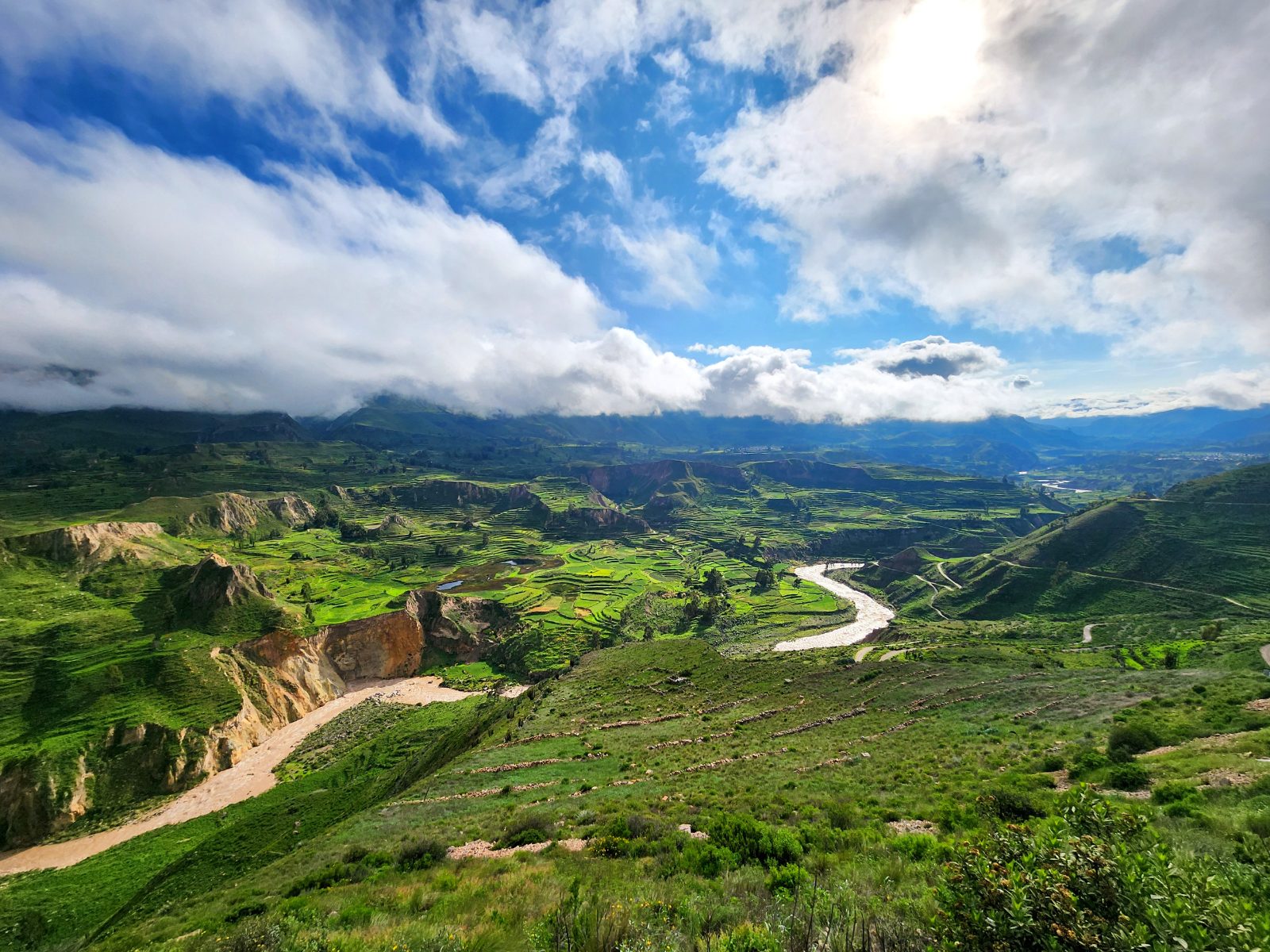
This vantage point offers a spectacular panorama of ancient pre-Inca agricultural terraces still used today.
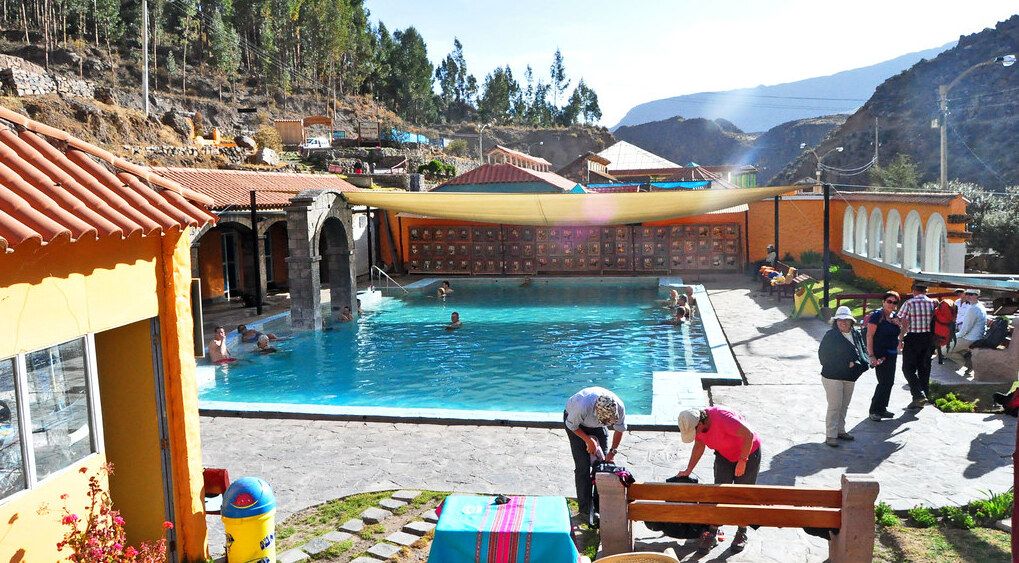
These natural hot springs in Chivay provide a relaxing recovery spot after exploring the canyon.
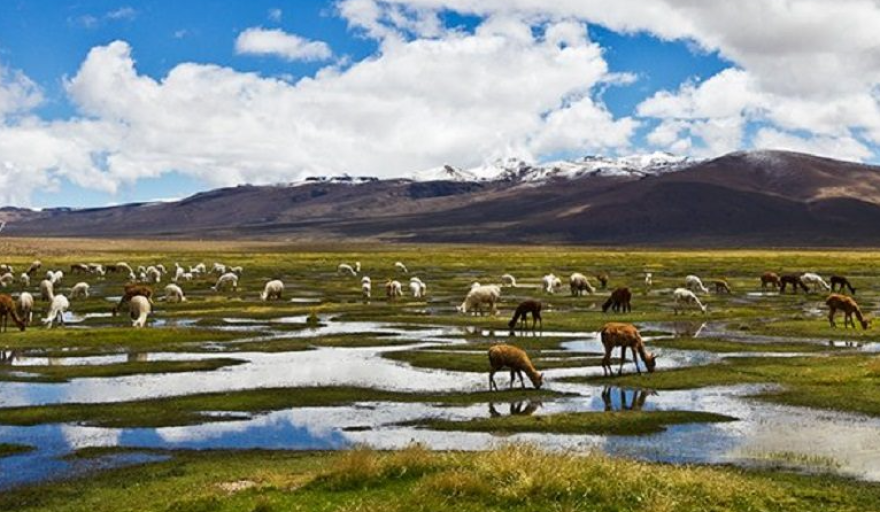
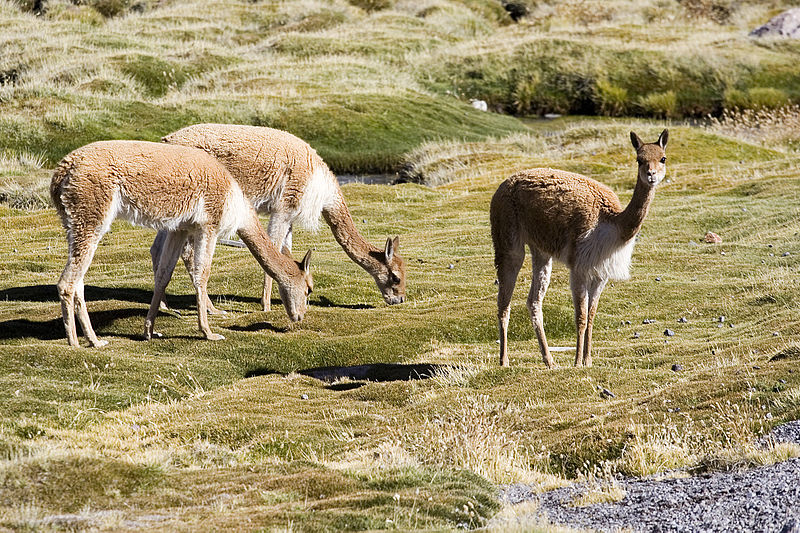
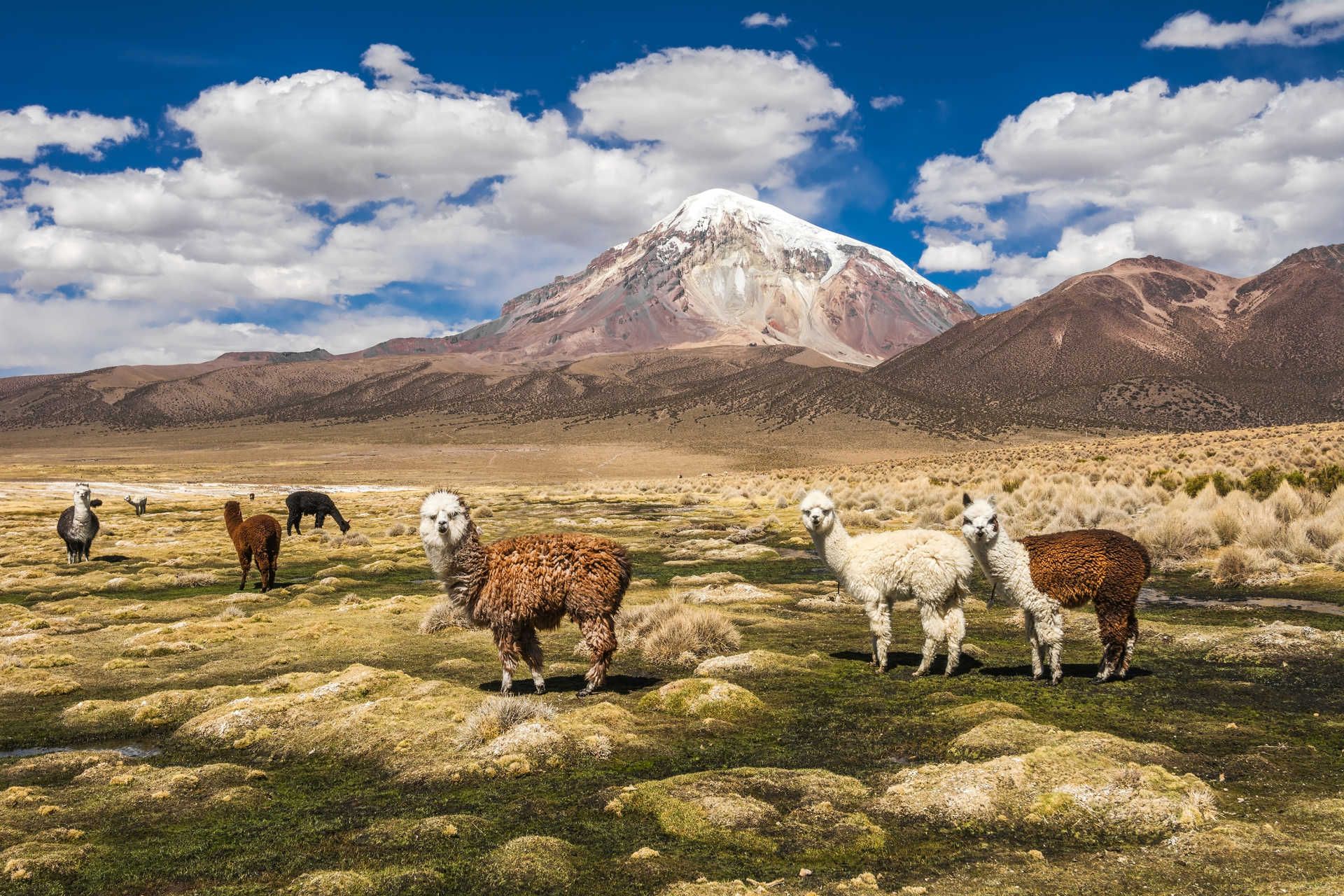
A high-altitude wetland where you can frequently spot wild vicuñas and alpacas in their natural habitat.
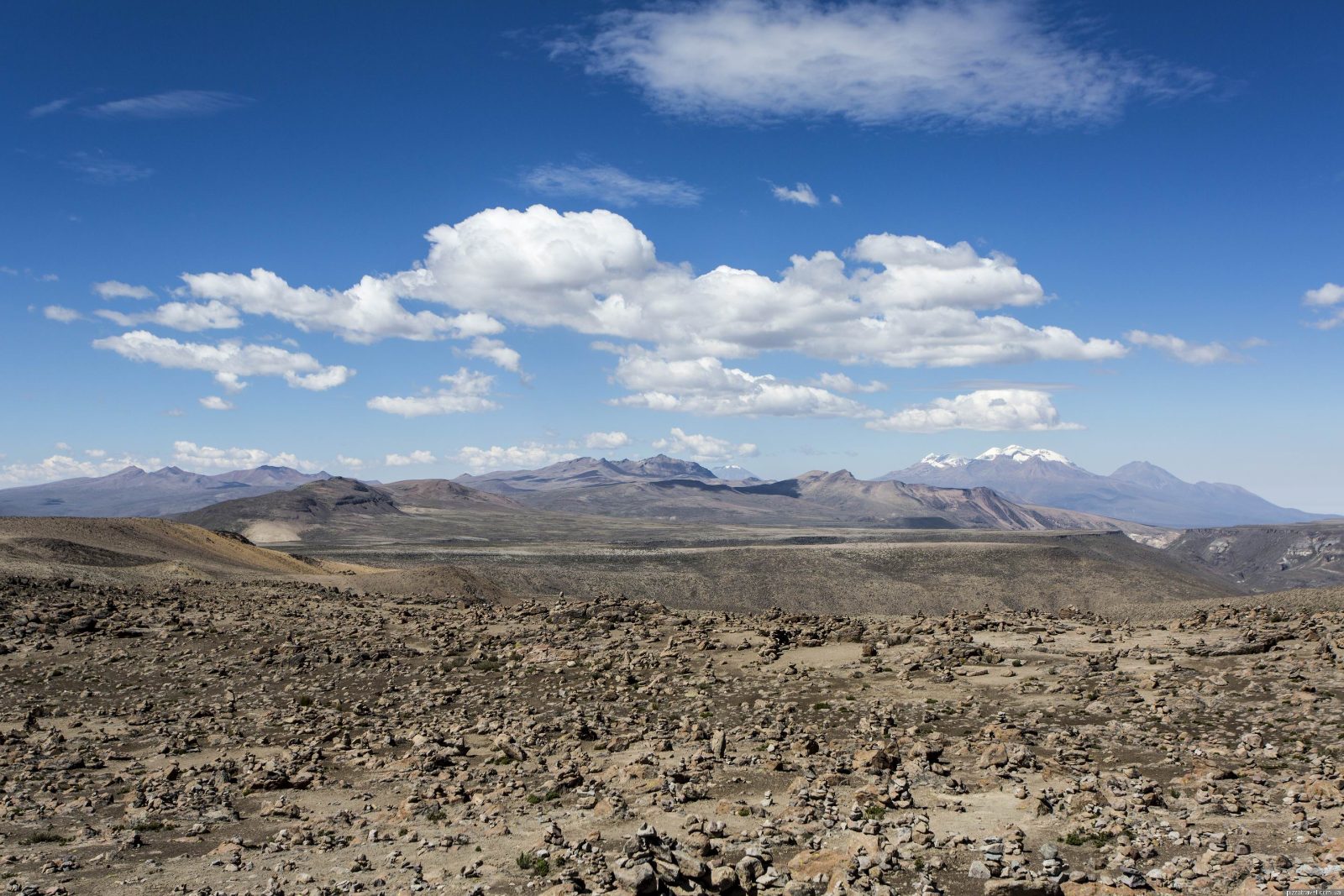
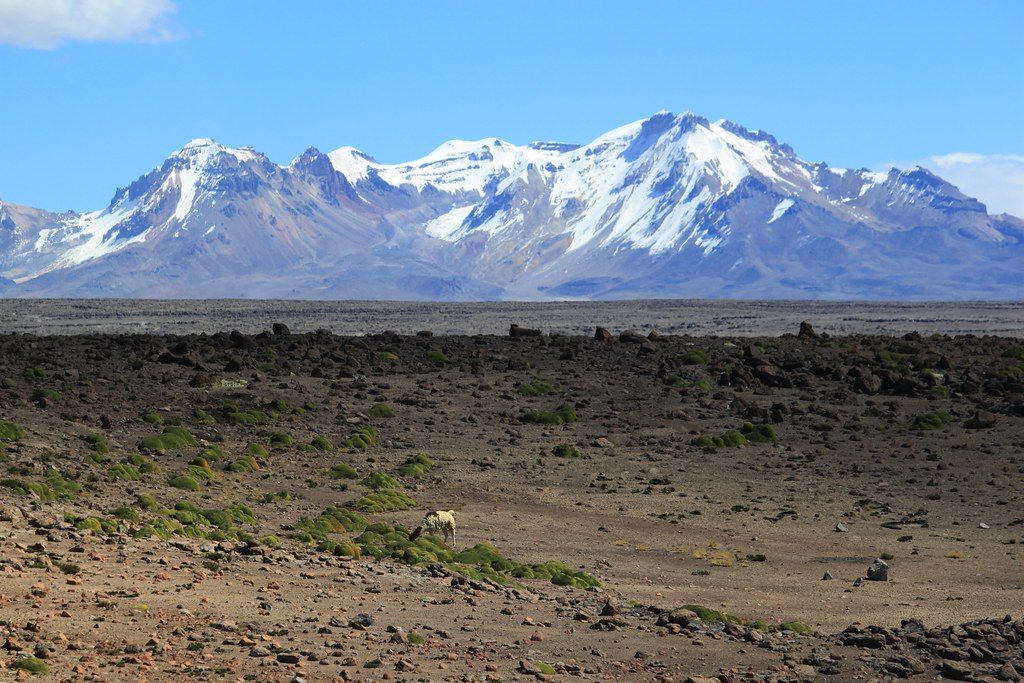
Located at 4,800 meters, this is one of the highest points on the route offering views of surrounding volcanoes.
Every Colca Canyon to Puno tour side-by-side — duration, what's included, how you redeem.
| Experience | Duration | Rating | Skip-the-line | Guide | Small group | Free cancel. | Price | |
|---|---|---|---|---|---|---|---|---|
|
Guided Experience Most popular
Colca Canyon Adventure with Puno Transfer
|
24 hr | ★ 4.4 | ✓ | ✓ | ✓ | ✓ | €56 | Book → |
|
Guided Experience
Colca Canyon Two-Day Adventure Ending in Puno
|
48 hr | ★ 4.5 | ✓ | ✓ | ✓ | ✓ | €62 | Book → |
|
Guided Experience
Two-Day Colca Canyon Adventure with Hot Springs & Puno Transfer
|
48 hr | ★ 4.6 | ✓ | ✓ | ✓ | ✓ | €68 | Book → |
All prices from verified partners. Availability and exact terms confirmed at checkout.
The guided experience is superior for travelers who want to explore high-altitude landscapes, whereas a direct transfer is better for those prioritizing speed. Most visitors who do both find the guided transit to be the more immersive journey.
| Feature | Top pick Guided 2-Day Tour | Direct Bus Transfer |
|---|---|---|
Travel Time |
10–12 hours including stops | 6–7 hours direct |
Logistical Convenience |
High, includes transport and lodging | Moderate, requires separate transit arrangements |
Opportunity for Sightseeing |
High, includes multiple viewpoints and wildlife | Low, limited to road stops |
Inclusions |
Lodging, meals, and expert guide | Transportation only |
Suitability for Families |
High, structured and paced for groups | Low, requires self-managed logistics |
| See tickets → |
Verdict: Choose the guided tour if you prefer curated colca canyon to puno tours, or opt for the direct bus if you simply need colca canyon to puno tickets for a faster transit.
Choose your ticket, select your date, and reserve in under two minutes. Secure checkout handled by our verified partner.
Instant confirmation by email, with a mobile voucher you can save offline. No printing, no queuing at a collection desk.
Arrive at the entrance, show your voucher on your phone, and walk in. Most tickets include priority or skip-the-line access.
Practical details for Colca Canyon to Puno tickets straight from our verified partners — hours, access, rules, and how to get there.
Dress in layers, as the high-altitude Andean climate fluctuates significantly from freezing mornings to warm afternoons. Sturdy hiking shoes are essential for exploring the rugged terrain between the various colca canyon to puno viewpoints.
Keep belongings compact; large luggage is typically not permitted on the smaller buses used for a colca canyon to puno tour. Secure your belongings and keep your passport or valid ID handy, as official inspectors may request them alongside your Colca Canyon tourist ticket.
The landscapes and avian activity make the colca canyon to puno route ideal for photography. Use a telephoto lens for condors at Cruz del Condor and carry spare batteries, as cold temperatures drain power quickly.
Most canyon overlooks are not wheelchair accessible due to steep, uneven natural terrain. Those planning a colca canyon to puno trip should be prepared for significant physical activity and high-altitude conditions.
Mobile signal is intermittent within the canyon and along the route to Puno. Download offline maps of the Colca Canyon area before you depart.
Colca Canyon is suitable for families, though long travel times and high altitudes require careful planning. Ensure children are acclimatized to the elevation before embarking on long colca canyon to puno travel days.
Carry water and light snacks, as services are limited between remote viewpoints. Most organized colca canyon to puno tours include stops in Chivay for breakfast or lunch, where local Andean cuisine is available.
Pets are generally not permitted on shared tourist transportation or within strict conservation areas of the canyon.
Acclimatization is vital before traveling between Colca Canyon and Puno, as parts of the route exceed 4,800 meters. Consult a doctor regarding altitude sickness if you are sensitive to elevation changes.
Best time to go, insider tips, nearby landmarks, and the cancellation fine print — flip through to skim what matters to you.
Flexible, no hidden fees.
Full refunds are available for most colca canyon to puno tours if cancelled at least 24 hours before the scheduled departure. Please note that the 70 PEN Boleto Turístico del Colca conservation fee is a government-mandated cost and may not be included in all tour package refunds.
The 340-kilometer corridor linking Colca Canyon to Puno traces one of the least-traveled overland routes in the southern Peruvian Andes, a six-to-eight-hour traverse that climbs above 4,900 meters at Patapampa Pass before descending into the Lake Titicaca basin.
First mapped as a continuous tourist itinerary in the late 1990s, the colca canyon to puno route emerged as a logistical bridge for travelers unwilling to backtrack to Arequipa, combining the canyon's dawn condor flights with direct access to the altiplano's pre-Inca sites and floating reed islands. Today the route carries fewer than 12,000 foreign visitors annually, a fraction of the quarter-million who enter Colca Canyon itself, yet it remains the most efficient land connection between Peru's second-deepest canyon and its highest navigable lake.
The geology underfoot shifts abruptly. Colca's Miocene volcanic tuff and andesite give way to the broad ignimbrite plains of the Patapampa plateau, where vicuña herds occupy grasslands above 4,400 meters. Near the town of Lagunillas, 160 kilometers east of Chivay, the route skirts a chain of shallow endorheic lakes—Lagunillas, Saracocha, and Ananta—that attract Andean flamingos, puna ibis, and giant coots. The colca canyon tour to puno typically includes a brief stop at these wetlands, though scheduled bus services bypass them entirely. By the time the road descends into Juliaca, elevation has dropped to 3,825 meters, and the volcanic skyline recedes behind the flatter sedimentary terraces of the Titicaca watershed.
Most colca canyon tour with transfer to puno itineraries operate as two-day packages: morning condor observation at Cruz del Condor, afternoon departure from Chivay, overnight in Puno. The alternative—direct public buses—run daily from Chivay to Juliaca, requiring a connection to Puno but costing a fifth the price of private transfers. Neither option includes formal guiding along the altiplano segment; the landscape is left to interpret itself. For travelers prioritizing efficiency over immersion, the colca canyon trek from arequipa to puno collapses three destinations into a single arc, eliminating the need for return journeys and turning a logistical compromise into a cross-section of Andean topography.
"The 340-kilometer corridor climbs above 4,900 meters at Patapampa Pass before descending into the Lake Titicaca basin."
A step-by-step walkthrough of Colca Canyon to Puno tickets — what you'll see, how long each stage takes, and the details that matter.
You leave Chivay by mid-morning, the canyon rim already behind you. The van climbs through terraced pre-Inca fields where stone aqueducts still channel snowmelt from Ampato and Sabancaya.
At Patapampa, 4,910 meters, you step out into thin air and a ring of named peaks—Mismi, Hualca Hualca, Chucura—each above 5,400 meters. The driver points to a cairn marking the continental divide; streams on this side flow east toward the Atlantic.
Past the pass, the road flattens across the puna. You count vicuña in groups of eight and twelve. At Lagunillas, flamingos wade in alkaline shallows no deeper than your knee. The stop lasts ten minutes. By early afternoon, you reach the outskirts of Juliaca, where the altiplano opens into a grid of brick and market stalls. Another forty minutes and Lake Titicaca appears, a blue plane so wide it mimics an ocean.
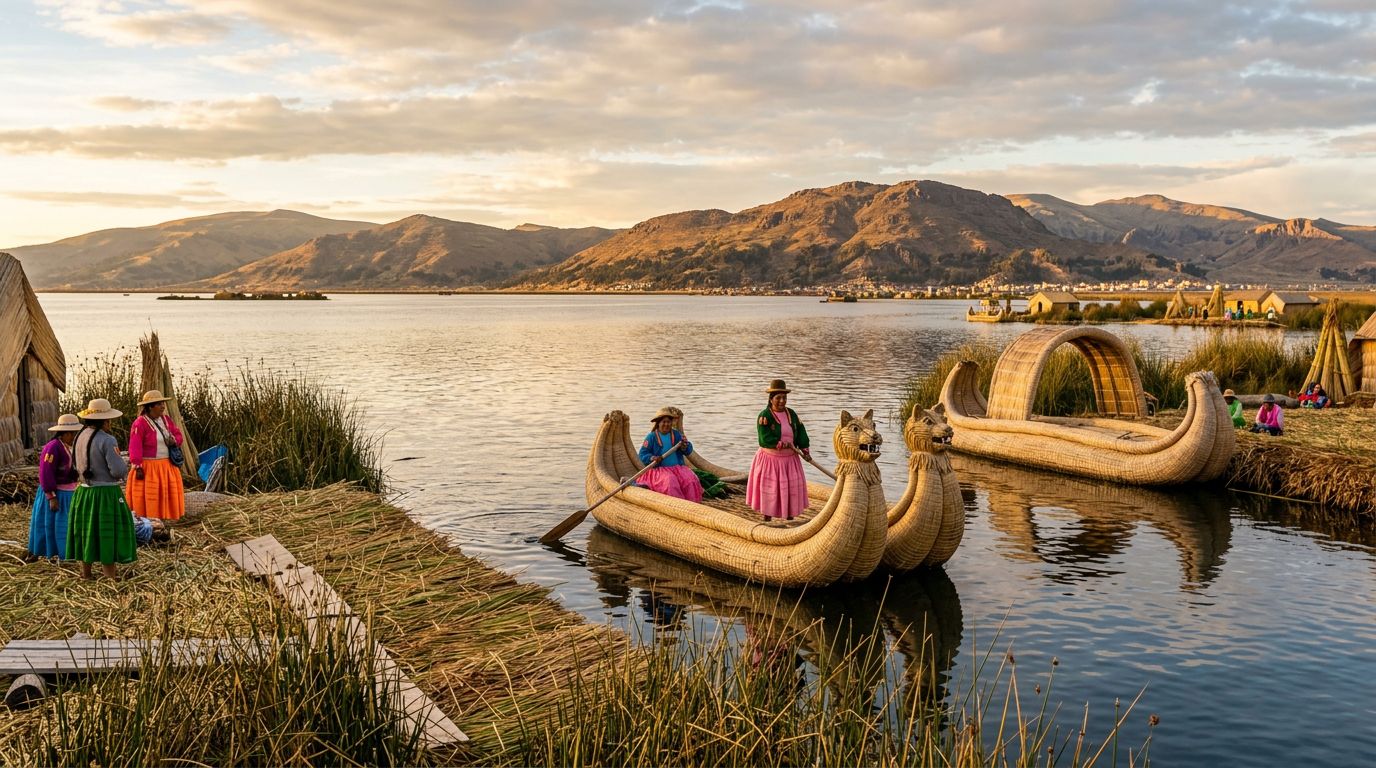
You arrive in Puno by late afternoon, 3,810 meters, the colca canyon to puno bus behind you. The lakefront boulevard is crowded with vendors selling alpaca sweaters. You walk to the pier where tomorrow's boat to the Uros Islands will depart, the canyon now seven hours and 1,100 vertical meters in the past.
The Colca Canyon is open daily from 07:00–18:00 for visitors.
Yes, a mandatory 70 PEN Boleto Turístico del Colca conservation fee is required for foreign adults visiting the area.
The optimal time to observe Andean condors at Cruz del Condor is between 07:00–10:00 before thermal activity decreases.
No direct public bus exists; travelers typically use tourist shuttles or combine local transit via Chivay.
You can purchase the mandatory entrance fee on-site or at tourist offices in Arequipa, but booking your colca canyon to puno tour transport in advance is recommended.
Yes, many travelers take a full-day tour that visits viewpoints before departing for Puno in the early afternoon.
Most viewpoints, including Cruz del Condor, have natural paths that are not suitable for wheelchairs.
Bring warm layers, sunscreen, and your passport for the Colca Canyon entrance fee check.
You can take a local colectivo to the main highway and connect to an Arequipa-Puno bus, though this is less convenient than a direct shuttle.