24 hr
Colca Canyon Day Tour with Drop-off in Puno
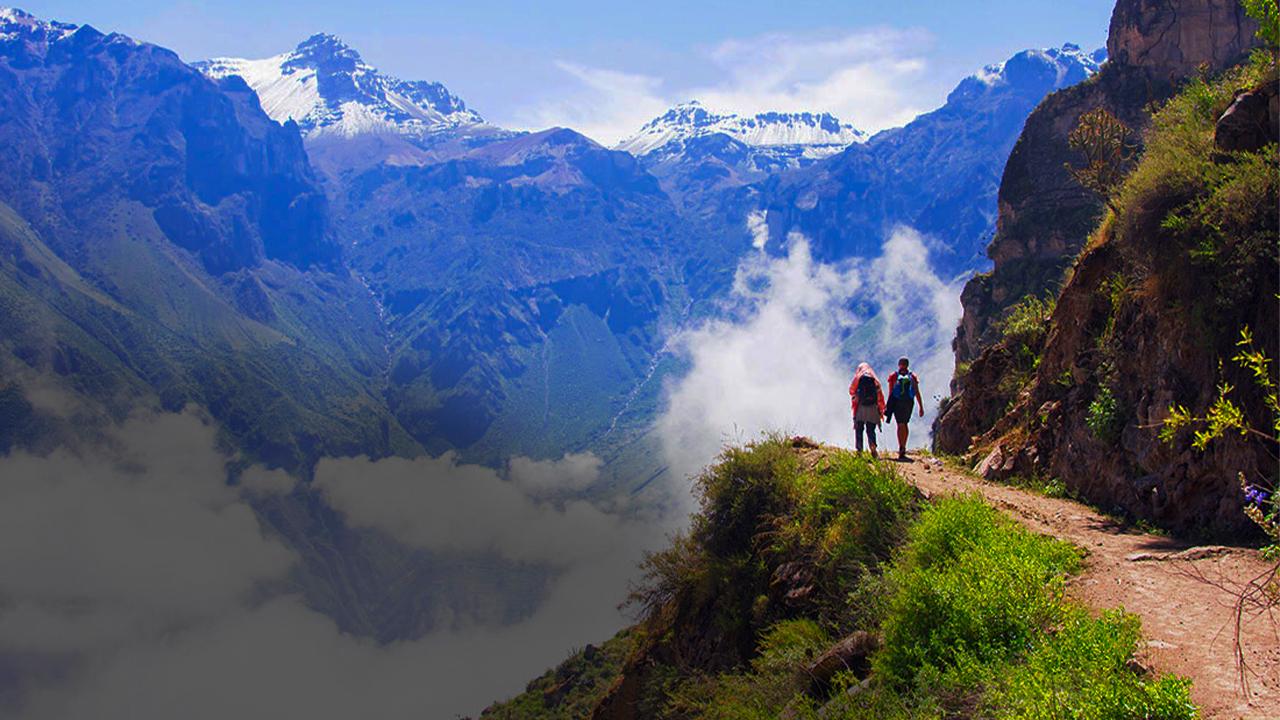
Journey through one of the world's deepest canyons and witness condors soaring above the Andes
Reserve
Hand-picked by our editors — only the best 5 tours from 37 reviewed.
Verified partners for every tour, free cancellation where available, and instant confirmation on every booking.
24 hr
Journey through one of the world's deepest canyons and witness condors soaring above the Andes
Reserve
48 hr
Explore one of Earth's deepest gorges, watch condors soar, and journey through Andean highlands to Lake Titicaca
Reserve
48 hr
Trek through one of Earth's deepest gorges, witness soaring condors, and unwind in a desert oasis
ReservePrices from verified partners. Availability updates in real time at checkout. Free cancellation policies apply where shown.
The landmarks, rooms, and views travelers on this tour remember — all visible on a single visit.
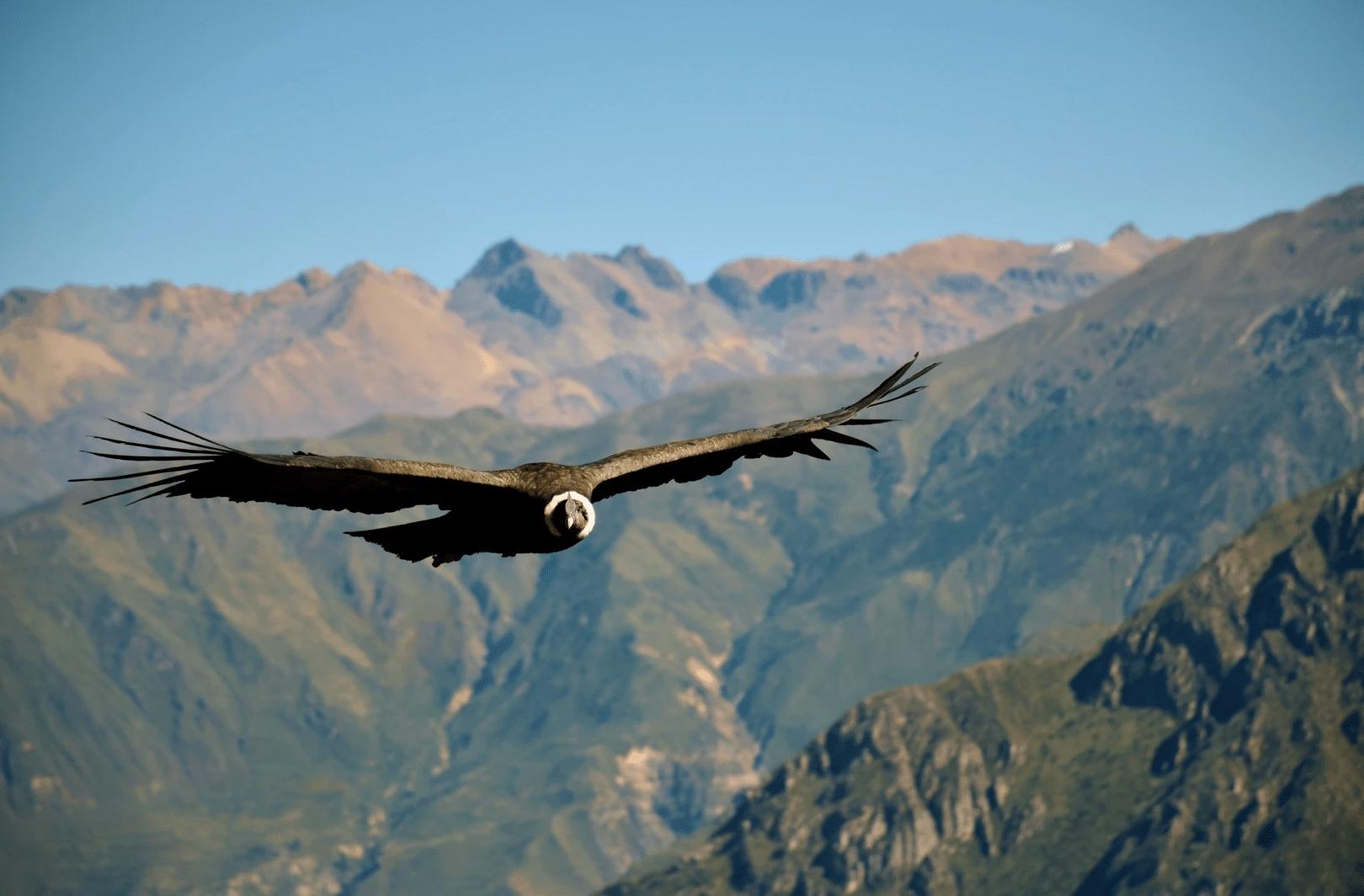
This viewpoint offers a vantage point over the canyon where visitors observe Andean condors soaring. The canyon depth reaches roughly 3,270 meters here.
The transfer-inclusive route prioritizes geographical efficiency, whereas the round-trip return offers the most streamlined experience for travelers based in Arequipa. Choosing a colca canyon tour with transfer to puno tours effectively connects your itinerary between major Peruvian landmarks.
| Feature | Top pick Transfer to Puno | Round-Trip from Arequipa |
|---|---|---|
Logistics |
Ends in Puno | Ends in Arequipa |
Total travel time |
Approximately 8-10 hours | Approximately 6-8 hours |
Pacing |
Constant forward movement | Retraces earlier route |
Key stopovers |
Mirador de los Volcanes | Cruz del Cóndor |
Suitability for cross-regional travel |
High efficiency | Low efficiency |
Geographic coverage |
Crosses rural Altiplano | Concentrated in Canyon area |
| See tickets → |
Verdict: Opt for the colca canyon tour with transfer to puno tour when moving toward Lake Titicaca, or book the Arequipa round-trip if you have fixed-base colca canyon tour with transfer to puno tickets for a single city stay.
Choose your ticket, select your date, and reserve in under two minutes. Secure checkout handled by our verified partner.
Instant confirmation by email, with a mobile voucher you can save offline. No printing, no queuing at a collection desk.
Arrive at the entrance, show your voucher on your phone, and walk in. Most tickets include priority or skip-the-line access.
Practical details for your visit straight from our verified partners — hours, access, rules, and how to get there.
Plaza de Armas, Arequipa
Check-in 15 minutes before departure.
Shuttle services operate from Arequipa to Chivay and onward to Puno.
Wear warm layers for the high-altitude morning, as temperatures fluctuate significantly. Sturdy hiking boots are necessary for navigation during your colca canyon tour with transfer to puno.
Keep essential documents and personal belongings in a secure daypack during your transit. Security personnel may check bags at entrance gates to the Colca Canyon park.
Photography is permitted throughout the area, especially at viewpoints where you might capture wildlife. Respect local residents by asking permission before photographing them during your colca canyon tour with transfer to puno.
Most paths are unpaved and steep, limiting accessibility for visitors with mobility impairments. Plan your colca canyon tour with transfer to puno with specific operator assistance if you require support.
Mobile signal is inconsistent in the deep sections of the valley. Download offline maps before beginning your colca canyon tour with transfer to puno.
The area is suitable for older children, though altitude may impact younger travelers. Always monitor children near canyon edges throughout your colca canyon tour with transfer to puno.
Carry sufficient water to stay hydrated at high altitudes. Local providers on your colca canyon tour with transfer to puno offer traditional Peruvian meals, but bringing snacks is recommended.
Pets are generally not permitted on group shuttle transfers. Confirm pet policies with your specific operator before booking a colca canyon tour with transfer to puno.
The journey to Puno is long and involves high mountain passes. Prepare for the thin air inherent in this Colca Canyon transit route.
Best time to go, insider tips, nearby landmarks, and the cancellation fine print — flip through to skim what matters to you.
How crowds, weather, and events shift across the year.
Dry season offers clear skies and excellent visibility for condor sightings. This is the optimal window for a colca canyon tour with transfer to puno.
Small details that turn a good visit into a great one.
Spend at least 24 hours in Arequipa before your colca canyon tour with transfer to puno to acclimate.
Non-bookable sights within a short walk — free to visit, easy to pair.
Natural hot springs located near Chivay.
Flexible, no hidden fees.
Tour operators for a colca canyon tour with transfer to puno typically require cancellation 48 hours prior to departure for a full refund. Entrance fees of 70 PEN are non-refundable once purchased.
Hand-picked options within walking distance — pick a district for vibe, or a specific hotel for convenience.
High-end lodges with canyon views.
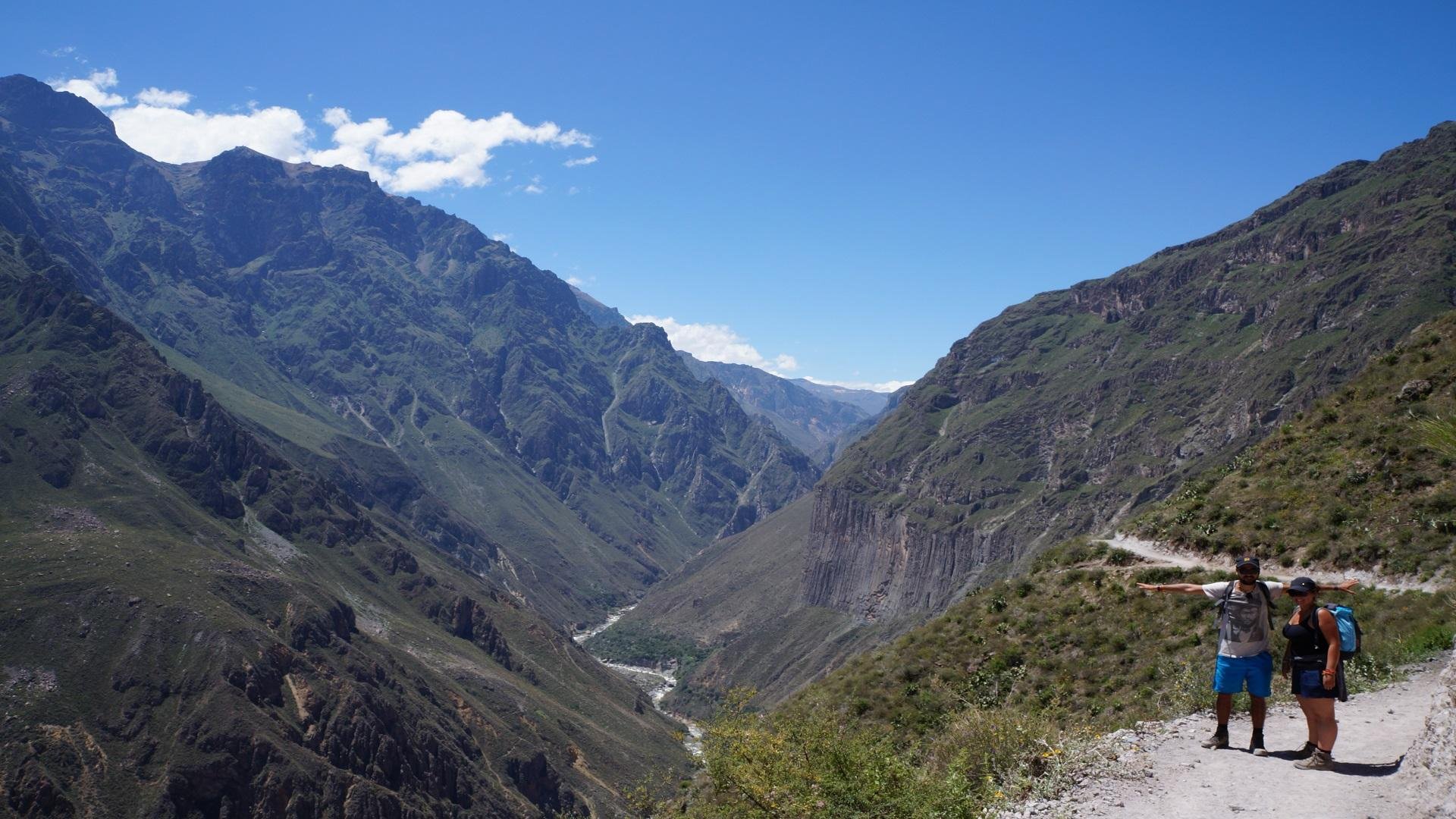
The Colca Canyon reaches 3,270 metres below its rim at its deepest point, carving through volcanic sediment deposited over four million years. The Colca River began its incision during the Pliocene, accelerating as tectonic uplift raised the surrounding altiplano. Today the canyon floor lies at 2,000 metres above sea level while the flanking ridges exceed 5,000 metres, creating a vertical relief that dwarfs most North American gorges. The villages lining the canyon terraces — Yanque, Coporaque, Achoma — trace their agricultural systems to the pre-Inca Collagua and Cabana cultures, whose stone-walled andenería still irrigate maize and quinoa fields. Cruz del Cóndor, a promontory 50 kilometres west of Chivay, offers the most reliable condor sightings in South America. Andean condors, with wingspans reaching 3.2 metres, glide on thermal currents that rise from the canyon floor between 06:00 and 09:00. The birds nest on inaccessible cliff faces and forage across territories spanning 200 kilometres. The resident population fluctuates between 30 and 50 individuals, monitored by biologists from the Arequipa Ornithological Society. Morning thermals dissipate by mid-morning, grounding the birds until late afternoon. The overland route from Colca to Puno crosses the Patapampa Pass at 4,910 metres, traversing high-altitude grassland grazed by vicuña herds and punctuated by volcanic cones. The road descends through the Lagunillas wetlands, a RAMSAR-designated site hosting three flamingo species. Travellers crossing this corridor move from the Western Cordillera's volcanic province into the altiplano basin surrounding Lake Titicaca, a geological and cultural transition compressed into 300 kilometres. The journey takes six to seven hours, depending on stops at mirador viewpoints and roadside vicuña reserves. Colca Canyon tour with transfer to Puno packages range from single-day condor viewings with direct transfer to multi-day treks descending to the river and climbing back to rim villages. Two-day itineraries typically include overnight stays in Chivay, allowing acclimatisation before the high-altitude crossing. Trekking routes drop into the canyon via the Cabanaconde trail, reaching riverside oases at Sangalle where thermal springs feed date palm groves. The return ascent gains 1,200 vertical metres over three kilometres, a gruelling climb rewarded by rim-level views across the canyon's layered geology and the snow-capped silhouette of Ampato volcano.
"The resident condor population fluctuates between 30 and 50 individuals, monitored by biologists from the Arequipa Ornithological Society."
A step-by-step walkthrough of the visit — what you'll see, how long each stage takes, and the details that matter.
You depart Arequipa before dawn, crossing the Reserva Nacional Salinas y Aguada Blanca as alpacas graze against the silhouette of Misti volcano. The road climbs to Patapampa viewpoint at 4,910 metres, where you pause for mate de coca and adjust to the thin air. By 08:00 you arrive at Cruz del Cóndor, positioning yourself along the stone-walled mirador as morning sun warms the canyon walls below. Within minutes the first condor lifts from its roost, banking on rising thermals mere metres from the rim — close enough to count individual primary feathers and see the bird's bald head swivel as it scans the valley floor. After condor viewing you descend to Chivay for breakfast, then continue through canyon rim villages where stone terraces cascade down slopes like frozen waves. If you've chosen a two-day itinerary, you overnight in Chivay and visit La Calera hot springs, soaking in mineral-fed pools while stars emerge over the canyon rim. The following morning you cross the altiplano toward Puno, stopping at Lagunillas to photograph flamingos wading through reed beds. Vicuñas scatter across the puna grassland as your vehicle climbs past 4,600 metres. You reach Puno by late afternoon, dropped at your lakeside hotel with Lake Titicaca stretching cobalt-blue to the Bolivian shore. The colca canyon tour with transfer to puno compresses three ecosystems and 2,000 vertical metres into a single overland journey, delivering you from volcanic canyons to the world's highest navigable lake.
The canyon area is accessible 00:00–23:59 daily.
Due to rugged terrain, the colca canyon tour with transfer to puno may not be suitable for those with limited mobility.
Yes, you must purchase the Boleto Turístico del Colca for 70 PEN per person.
For optimal condor spotting, arrive at the Cruz del Cóndor between 06:00 and 09:00.
Yes, but please keep belongings compact for the colca canyon tour with transfer to puno shuttle.
Meal inclusions depend on your specific operator booking; check your itinerary details.
Yes, families are welcome, provided children can handle high-altitude travel.
Cancellations for the colca canyon tour with transfer to puno usually require 48 hours notice.
You can easily combine your transit with a stop at local thermal baths or artisan markets.