English| EUR
Suggested for you
More currencies
Choose a language
Tours departing Puno tackle Colca Canyon from the opposite direction, crossing the altiplano before descending into the canyon zone. The routing changes overnight stops, arrival sequences, and altitude acclimatization compared to standard Arequipa-origin tours.
Quick answer
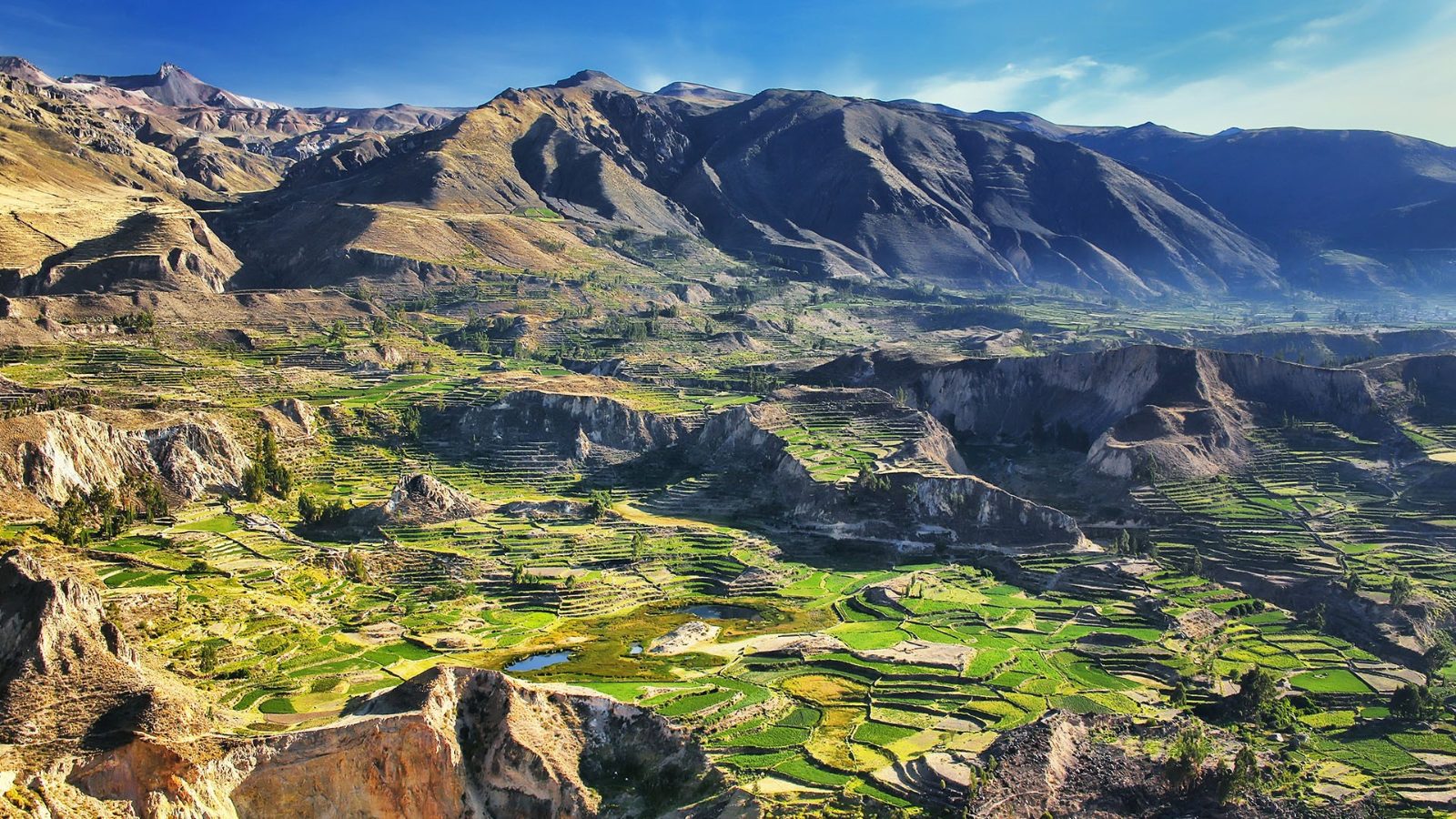
A colca canyon tour from puno typically spans two days with an overnight in Chivay, covering roughly 310 kilometers each way through high-altitude plateau before reaching the canyon viewpoints. Departure from Puno reverses the standard Arequipa itinerary, meaning you approach Cruz del Condor from the eastern access road and often arrive at the viewpoint after the optimal morning condor window unless your tour builds in an early Chivay departure.
The altiplano crossing between Puno and Colca Canyon reaches 4,910 meters at Patapampa Pass, higher than most travelers experience on Lake Titicaca shore excursions. Reverse-direction canyon tours from Puno navigate this elevation gain on day one, a stark contrast to Arequipa-origin trips that gradually descend into the canyon. Most Puno-departing itineraries overnight in Chivay, the canyon zone's service hub at 3,635 meters, positioning groups for a pre-dawn push to Cruz del Condor the following morning. The 06:00–09:00 arrival window matters because Andean condors ride thermal currents that dissipate by mid-morning. Tours leaving Puno around 06:00 typically reach Chivay by early afternoon, giving travelers time to acclimate before the next day's condor observation. The 70 PEN Boleto Turístico del Colca conservation fee applies regardless of your starting city. The reverse route also changes the canyon's visual reveal. Arequipa tours descend gradually through terraced valleys, building anticipation. Puno departures cross vast puna grasslands for hours before the canyon's edge appears suddenly near Chivay. This approach trades the slow build for high-altitude wildlife spotting—vicuñas and alpacas graze the plateau sections between Puno and the canyon rim. Logistics tighten on reverse tours because fewer operators base their fleet in Puno compared to Arequipa's established canyon-tour infrastructure. Group sizes tend smaller, and departure frequency drops outside peak months. The tradeoff rewards travelers combining Lake Titicaca visits with canyon access in a single overland arc, avoiding backtracking to Arequipa. Most reverse itineraries terminate in Arequipa on day two, completing a one-way traverse rather than a round trip.
“The altiplano crossing reaches 4,910 meters at Patapampa Pass, higher than most Lake Titicaca shore excursions.”
Colca Canyon is located in the Caylloma Province of the Arequipa Region. The most practical approach from Puno is via tourist-oriented bus transport that traverses the high-altitude route connecting these two destinations.
PE-34S and PE-1S via Chivay
Route 34S to Chivay
Plan your arrival to the canyon area between 06:00–09:00, which is the best arrival window for observing Andean condors at the Cruz del Condor viewpoint.
Tours from Puno require preparation for high-altitude travel and early departures.
Everything you need to know about colca canyon tour from puno
While some travelers attempt a rapid transit, a colca canyon tour from puno usually requires multiple days to account for the high altitude and travel time across the Andes. Spreading the journey over two days allows for better acclimatization and more opportunities to explore the local landscapes. Moving through this region involves traversing high-altitude passes, so factoring in extra time for comfort is recommended.
A typical itinerary for this reverse direction journey includes stops at scenic lookouts, traditional Andean villages, and thermal springs. These excursions often feature guided hikes through natural habitats where you can observe native wildlife. Checking the specific inclusions of your selected operator helps ensure you have meals and transit covered throughout the trip.
Yes, the mandatory conservation fee for foreign adults is 70 PEN (Boleto Turístico del Colca). This fee is collected to support the maintenance of the protected area and its infrastructure. Ensure you carry sufficient local currency to cover this official requirement when entering the zone.
The best arrival window is 06:00–09:00, which is the optimal time for observing Andean condors at the Cruz del Condor viewpoint. Arriving early provides the most consistent sightings as the thermals rise from the deep valley floor. Planning your colca canyon tour from puno to align with this morning timeframe is highly recommended for wildlife enthusiasts.
Securing your logistics ahead of time is wise because transport capacity on this route can be limited during peak travel seasons. Arranging your transit ensures a smoother departure from Puno and helps you maintain your planned schedule. Reliable operators can assist with logistics to keep your travel stress-free.
The altitude in this region is significant, often exceeding 4,000 meters, which can be challenging for young children. Parents should consult with health professionals before including youngsters on this high-altitude adventure. Proper acclimatization in Puno before heading toward the canyon is essential for all family members.
It is essential to pack layers for fluctuating temperatures, along with sun protection and comfortable walking shoes for uneven terrain. Because the weather can shift rapidly, being prepared for both chilly mountain mornings and strong midday sun is key. Having these items on hand ensures you stay comfortable throughout your journey.
The journey typically involves private or shared tourist transport that crosses the Andean highlands toward the Caylloma Province. This road trip is an iconic experience, showcasing expansive plains and mountain vistas before descending into the valley. Relying on established transport services provides the safest and most efficient connection to your destination.
How to Visit Colca Canyon
Read more GuideIs Colca Canyon Worth It?
Read more Tickets & toursColca Canyon with Transfer to Puno
Read more GuideGetting to Colca Canyon from Arequipa
Read more Tickets & toursColca Canyon to Puno Bus
Read more Tickets & tours2-Day Colca Canyon Tour to Puno
Read more